



IL-12
Interleukin-12 (IL-12) is a heterodimeric cytokine essential for cell-mediated immunity, promoting Th1 differentiation and interferon-γ production[1][2][3]. Mechanistically, IL-12 signals through the IL-12 receptor complex composed of IL-12Rβ1 and IL-12Rβ2 subunits, activating the JAK-STAT pathway to drive T-cell and natural killer cell responses[4][5]. In disease models, IL-12 contributes to the pathogenesis of autoimmune conditions such as Crohn’s disease, psoriasis, and experimental autoimmune encephalomyelitis, where its modulation alters inflammatory outcomes[1][6][7]. Compared with related isoforms IL-23 and IL-27, IL-12 uniquely favors Th1 polarization while sharing the p40 subunit with IL-23, highlighting the importance of selective targeting in experimental and therapeutic settings[8][4]. Pharmacological inhibition of IL-12 can occur via NF-κB blockade, modulation of Smad2/3 or JNK signaling, or through receptor antagonists, and these strategies have shown efficacy in reducing disease activity in both in vitro and in vivo models[9][5][10][11]. IL-12-targeted therapies, including monoclonal antibodies like ustekinumab, provide research applications for dissecting immune pathways, assessing cytokine-mediated inflammation, and testing combinatory treatments with IL-23 or IL-17 inhibitors[1][12][14]. Agonist forms of IL-12, such as homodimeric β2, reveal potential to enhance inflammatory responses in controlled experimental studies, offering insight into isoform-specific effects and pathway modulation[9][8].
References:
- [1]. Vandenbroeck K, et al. Inhibiting cytokines of the interleukin-12 family: recent advances and novel challenges. J Pharm Pharmacol. 2004 Feb;56(2):145-60. [Content Brief]
- [2]. Aggeletopoulou I, et al. Interleukin 12/interleukin 23 pathway: biological basis and therapeutic effect in patients with Crohn's disease. World J Gastroenterol. 2018;24(36):4093-4103. [Content Brief]
- [3]. Hourani T, et al. Signaling pathways underlying TGF-β mediated suppression of IL-12A gene expression in monocytes. Mol Immunol. 2024 Feb;166:101-109. [Content Brief]
- [4]. Correa F, et al. Anandamide inhibits IL-12p40 production by acting on the promoter repressor element GA-12: possible involvement of the COX-2 metabolite prostamide E(2). Biochem J. 2008 Feb 1;409(3):761-70. [Content Brief]
- [5]. Ten Bergen LL, et al. The TNF/IL-23/IL-17 axis-Head-to-head trials comparing different biologics in psoriasis treatment. Scand J Immunol. 2020 Oct;92(4):e12946. [Content Brief]
- [6]. Floss DM, et al. IL-12 and IL-23-Close Relatives with Structural Homologies but Distinct Immunological Functions. Cells. 2020 Sep 28;9(10):2184. [Content Brief]
- [7]. Fanizza J, et al. The Role of IL-23 Inhibitors in Crohn's Disease. J Clin Med. 2023 Dec 30;13(1):224. [Content Brief]
- [8]. Schirdewahn T, et al. The Third Signal Cytokine Interleukin 12 Rather Than Immune Checkpoint Inhibitors Contributes to the Functional Restoration of Hepatitis D Virus-Specific T Cells. J Infect Dis. 2017 Jan 1;215(1):139-149. [Content Brief]
- [9]. Yang K, et al. Use of IL-23 Inhibitors for the Treatment of Plaque Psoriasis and Psoriatic Arthritis: A Comprehensive Review. Am J Clin Dermatol. 2021 Mar;22(2):173-192. [Content Brief]
- [10]. Baykal Selçuk L, et al. Effects of interleukin-12/23 inhibitors and interleukin-17 inhibitors on myocardial functions in patients with severe psoriasis. Turkderm-Turk Arch Dermatol Venereol. 2024;58(4):112-116.
- [11]. Correa F, et al. Activation of cannabinoid CB2 receptor negatively regulates IL-12p40 production in murine macrophages: role of IL-10 and ERK1/2 kinase signaling. Br J Pharmacol. 2005 Jun;145(4):441-8. [Content Brief]
- [12]. Netea MG, et al. The role of endogenous interleukin (IL)-18, IL-12, IL-1beta, and tumor necrosis factor-alpha in the production of interferon-gamma induced by Candida albicans in human whole-blood cultures. J Infect Dis. 2002 Apr 1;185(7):963-70. [Content Brief]
-
IL-12 Related Products (40)
Related Products (40)

-
Recombinant Proteins (39)
- 1
- 2
-
Deucravacitinib
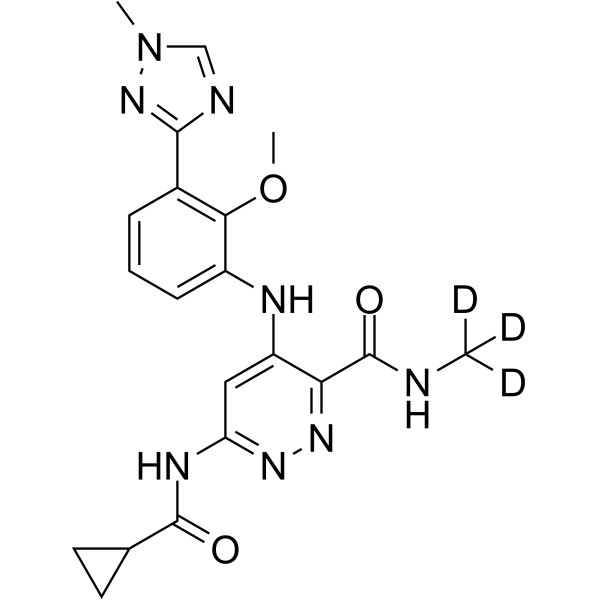 0 ImagesSynonyms: BMS-986165Deucravacitinib (BMS-986165) is an orally active allosteric inhibitor of tyrosine kinase 2 (TYK2), with an IC50 of 0.2 nM and a Ki of 0.02 nM against the JH2 domain of TYK2, and it exhibits selectivity over other JAK subtypes and most of the kinome. Deucravacitinib blocks IL-23, IL-12, p-STAT1/3 and Type I IFN signaling, and inhibits Th17/Th1-mediated psoriasis inflammation. Deucravacitinib can be used in research related to moderate-to-severe plaque psoriasis, inflammatory bowel disease and systemic lupus erythematosus.
-
Ustekinumab
 0 ImagesSynonyms: CNTO-1275; L04AC05; TT-20
-
ODN 2216
 0 ImagesODN 2216 is a type A CpG oligodeoxynucleotide vaccine adjuvant and a TLR9 agonist. ODN 2216 interacts with TLR9 in the lysosomes of CD4+ T cells and activates feedback-dependent signaling pathways. ODN 2216 induces the production of type I interferons, IL-6 and TGF-β via the IRAK4/IRF7 axis, while increasing intracellular ATP levels. ODN 2216 not only induces the differentiation of CD4+ T cells into anti-inflammatory Th3-like regulatory phenotypes to inhibit autologous proliferation, but also enhances the specific CD8+ T cell-mediated cytotoxicity against Mammaglobin-A in breast cancer cells. ODN 2216 is widely used in studies related to breast cancer and systemic lupus erythematosus.
-
Briakinumab
 0 ImagesSynonyms: ABT-874Briakinumab (ABT-874) is a fully human anti-IL-12/23p40 monoclonal antibody. Briakinumab targets and neutralizes IL-12 and IL-23. Briakinumab can be used for the research of rheumatoid arthritis, inflammatory bowel disease, and multiple sclerosis.
-
PTD-N5-1
 0 ImagesCat. No.: HY-P11003CAS No.: 2088834-68-6PTD-N5-1 is an IRF5 inhibitory peptide. PTD-N5-1 blocks the activation of IRF5. PTD-N5-1 inhibits β-glucan-induced IL-12 production in bone marrow-derived dendritic cells pre-stimulated with IFN-γ. PTD-N5-1 reduces the levels of IL-12 and IFN-γ in the kidneys of mice with Candida albicans infection. PTD-N5-1 is applicable to the research of Candida albicans infection.
-
Fadeucravacitinib
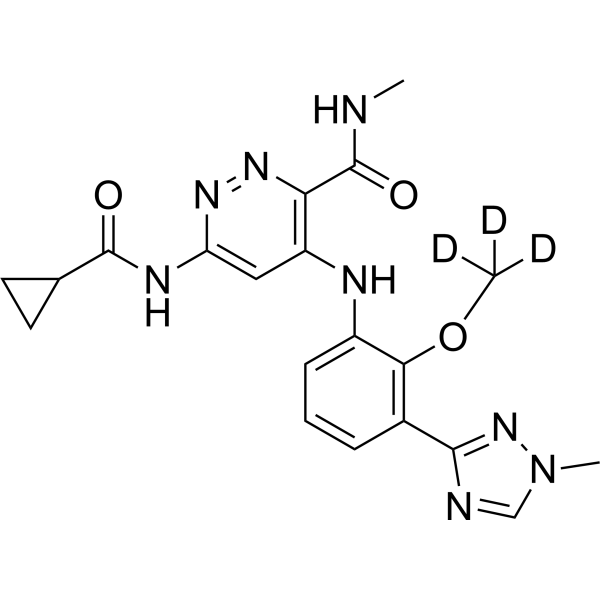 0 ImagesSynonyms: Tyk2-IN-8Fadeucravacitinib (Tyk2-IN-8) is an orally active selective TYK2 inhibitor with an IC50 of 5.7 nM against the JH2 pseudokinase domain. Fadeucravacitinib specifically binds to the TYK2 JH2 domain to exert allosteric inhibition, reduces JH1 kinase activity, and thereby blocks the TYK2/STAT pathway and pro-inflammatory signaling cascades. Fadeucravacitinib can be used in research related to inflammatory bowel disease.
-
PTD-N5-1 acetate
 0 ImagesCat. No.: HY-P11003APurity: 99.30%PTD-N5-1 acetate is an IRF5 inhibitory peptide. PTD-N5-1 acetate blocks the activation of IRF5. PTD-N5-1 acetate inhibits β-glucan-induced IL-12 production in bone marrow-derived dendritic cells pre-stimulated with IFN-γ. PTD-N5-1 acetate reduces the levels of IL-12 and IFN-γ in the kidneys of mice with Candida albicans infection. PTD-N5-1 acetate is applicable to the research of Candida albicans infection.
-
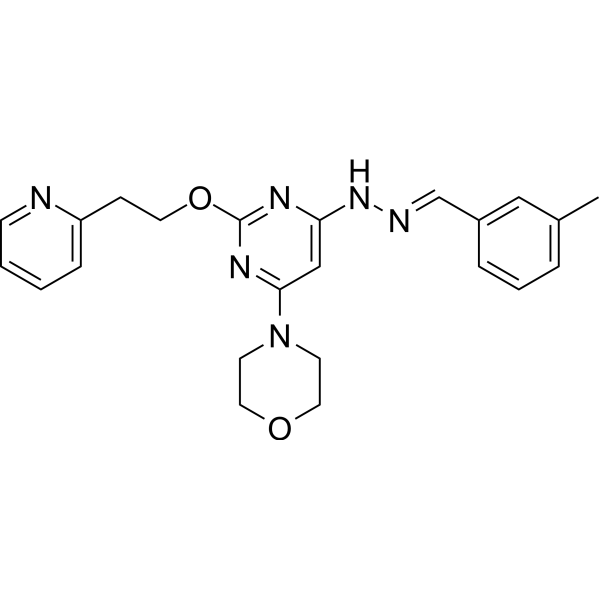
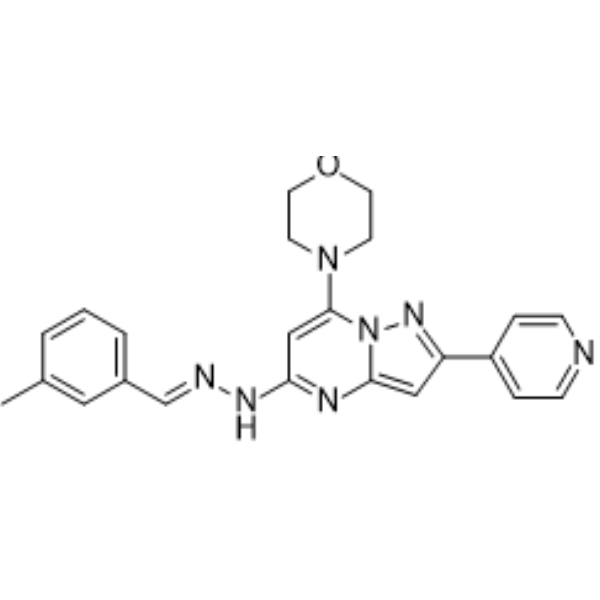
Apilimod mesylate
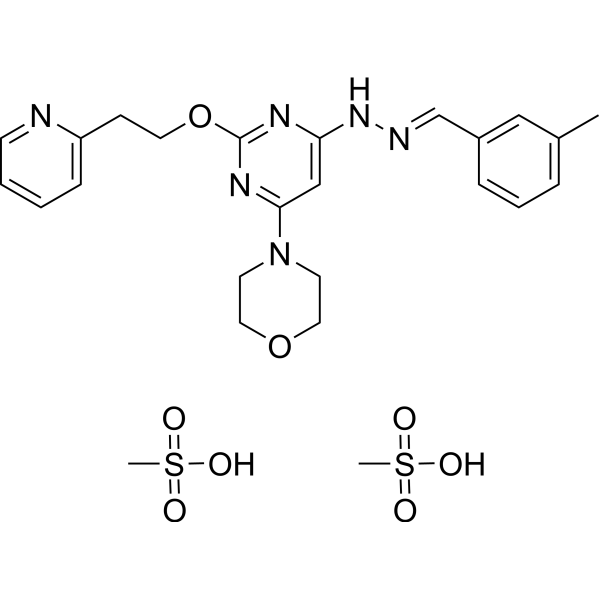 0 ImagesSynonyms: STA 5326 mesylate; LAM-002A; AIT-101 mesylate
-
Tryptanthrin
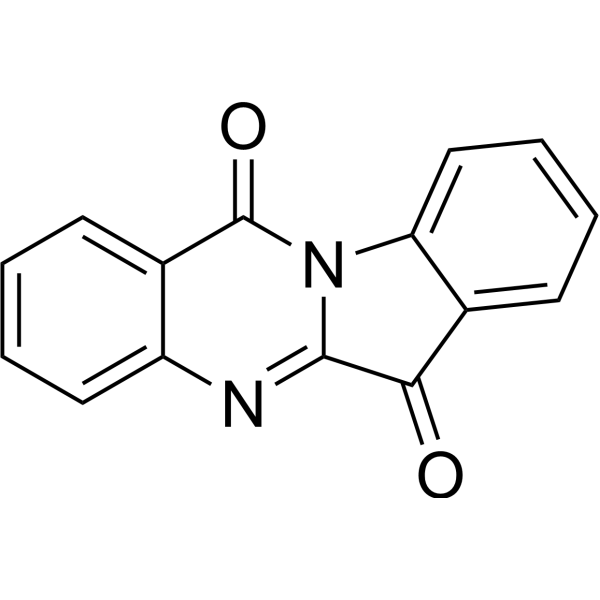 0 ImagesTryptanthrin is an indole quinazoline that could be an alkaloid from indigo-bearing plants. Tryptanthrin is a potent and orally active cellular Leukotriene (LT) biosynthesis inhibitor. Tryptanthrin has anticancer activity. Tryptanthrin suppresses the expression levels of NOS1, COX-2, and NF-κB and regulates the expression levels of IL-2, IL-10, and TNF-α.
-
Vitexin-2"-O-rhamnoside
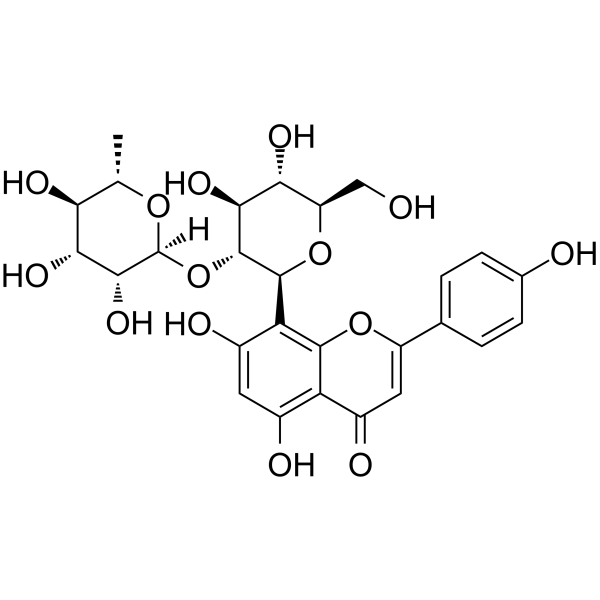 0 ImagesVitexin-2"-O-rhamnoside is an orally active flavonoid glycoside. Vitexin-2"-O-rhamnoside inhibits Apoptosis, increases the phosphorylation levels of PI3K/Akt, inhibits caspase-3, SOD activity, and promotes cytokine (IL-2, IL-6, and IL-12) secretion. Vitexin-2"-O-rhamnoside strongly inhibits DNA synthesis in MCF-7 cells with an IC50 of 17.5 μM. Vitexin-2"-O-rhamnoside enhances immune function and improves the absorption of active compounds. Vitexin-2"-O-rhamnoside has antioxidant activity. Vitexin-2"-O-rhamnoside is used in the study of cardiovascular disease and immune-related diseases.
-
Suciraslimab
 0 ImagesCat. No.: HY-P990781CAS No.: 2415439-63-1Synonyms: SM03Suciraslimab (SM03) is an anti-human CD22 monoclonal antibody. Suciraslimab inhibits NLRP3 and ASC signaling. Suciraslimab suppresses cytokine (IL-1β, IL-12, IL-23) secretion and α4 integrin expression. Suciraslimab improves working memory and neuroinflammation. Suciraslimab isotype control product: Human IgG1 kappa, Isotype Control (HY-P99001).
-
GlcNAc-MurNAc
 0 ImagesCat. No.: HY-175222CAS No.: 41137-10-4GlcNAc-MurNAc, a disaccharide, is a TLR4 agonist with a Kd of 383 μM for murine TLR4. GlcNAc-MurNAc directly binds to TLR4 and activates its downstream NF-κB and IRF pathways. GlcNAc-MurNAc improves Dextran sulfate sodium salt (DSS) (HY-116282C)-induced colitis in mice through a TLR4-dependent mechanism. GlcNAc-MurNAc can be used for the study of inflammatory bowel disease.
-
Veledimex
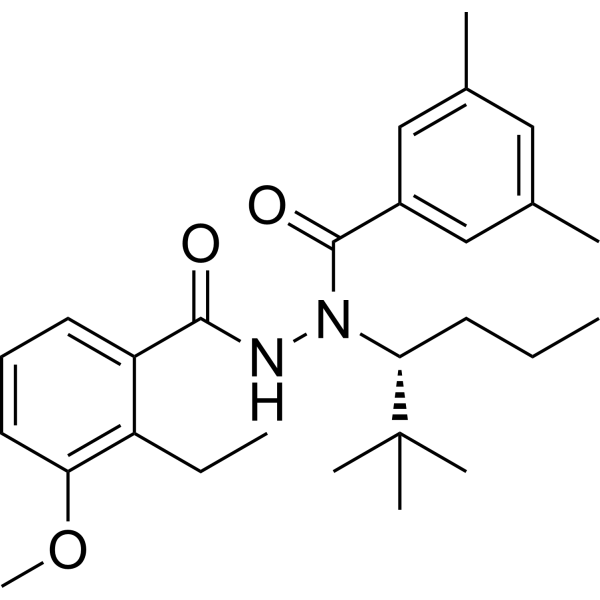 0 ImagesSynonyms: INXN-1001; RG-115932Veledimex (INXN-1001), a synthetic analog of the insect molting hormone ecdysone, is an orally active activator ligand for a proprietary gene therapy promoter system. Veledimex can be used to activate certain genes using the ecdysone receptor (EcR)-based inducible gene regulation system, the RheoSwitch Therapeutic System (RTS). Veledimex can cross blood-brain barrier (BBB) in both orthotopic GL-261 mice and cynomolgus monkeys.
-
Envudeucitinibum
 0 ImagesSynonyms: Envudeucitinib; ESK-001Envudeucitinibum (Envudeucitinib) is a highly selective, allosteric and orally active TYK2 inhibitor binding to the JH2 domain of TYK2. Envudeucitinibum has no off-target effects on other kinases (JAK1-3). Envudeucitinibum reduces signaling and production of proinflammatory cytokines including IL-12, IL-23, IL-17, and type I interferons (IFNs). Envudeucitinibum can be used for the research of plaque psoriasis, systemic lupus erythematosus (SLE), and other immune-mediated diseases.
-
Anti-IL-12 p70 Antibody (20C2)
 0 ImagesCat. No.: HY-P990838Anti-IL-12 p70 Antibody (20C2) is an anti-human IL-12 p70 IgG1 monoclonal antibody. Anti-IL-12 p70 Antibody (20C2) can inhibit the production of IFN-γ. Anti-IL-12 p70 Antibody (20C2) can be used for research on inflammation conditions. The recommend isotype control of Anti-IL-12 p70 Antibody (20C2): Rat IgG1 kappa, Isotype Control (HY-P99979).
-
(+)-Medioresinol
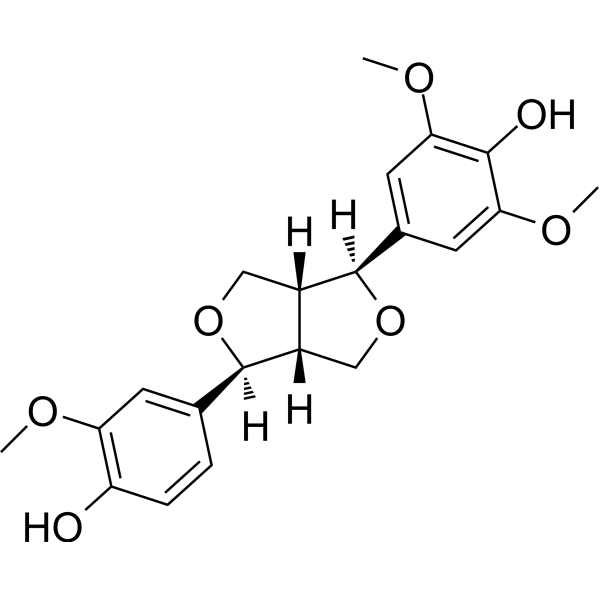 0 Images(+)-Medioresinol is a furofuran-type lignan with antifungal and antibacterial properties. (+)-Medioresinol synergizes with antibiotics to exert antimicrobial and antibiofilm effects. (+)-Medioresinol induces intracellular ROS accumulation and mitochondrial-mediated apoptosis in Candida albicans. (+)-Medioresinol inhibits LPS (HY-D1056)-stimulated IL-12p40 production. (+)-Medioresinol is a PGC-1α activator that protects against endothelial cell pyroptosis in ischemic stroke via the PPARα-GOT1 axis. (+)-Medioresinol can be used in research on fungal and bacterial infection, inflammation, and ischemic stroke.
-
QL-1200186
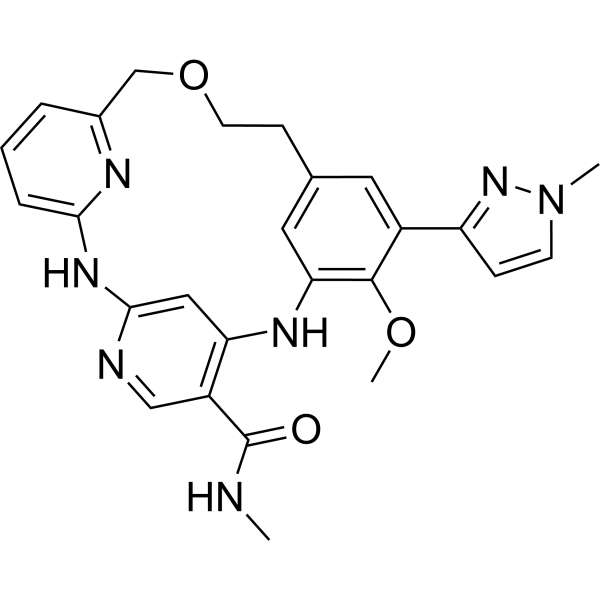 0 ImagesQL-1200186 is a selective, orally active, allosteric inhibitor targeting the tyrosine kinase TYK2 pseudokinase domain JH2 (IC50=0.06 nM, TYK2 JH2), with 164-fold selectivity over TYK1 JH2 (IC50=9.85 nM,TYK1 JH2). QL-1200186 first stabilizes the TYK2 JH2 conformation, inhibits the activity of the JH1 catalytic domain, and blocks the IFNα, IL-12/IL-23-mediated JAK-STAT signaling pathway. QL-1200186 can inhibit the production of Th1/Th17 cell-related cytokines (such as IFNγ, IL-23), reduce immune cell activation, and has no significant effect on JAK1/2/3 kinase activity. QL-1200186 can significantly improve skin inflammation in the Imiquimod (HY-B0180)-induced psoriasis mouse model and reduce the Psoriasis Area and Severity Index (PASI) score. QL-1200186 can be used in the study of autoimmune diseases such as psoriasis and systemic lupus erythematosus (SLE).
-
Pentadecane
 0 ImagesPentadecane is an orally active natural plant volatile alkane with anti-inflammatory, analgesic, antipyretic and anti-leishmanial activities. Pentadecane presents IC50 values of 65.3 μM, 60.5 μM and 194.8 μM against Leishmania infantum promastigotes, amastigotes and intracellular amastigotes, respectively. Pentadecane downregulates the mRNA expression of TNF-α and IL-12 and inhibits the release of inflammatory mediators. Pentadecane arrests the cell cycle of Leishmania infantum and induces apoptosis. Pentadecane can be applied to the research of inflammation and leishmaniasis.
- 1
- 2




